Thinking about buying a historic home in Easton? It is easy to fall for the charm first and ask questions later, especially when you are standing on a quiet in-town street lined with porches, old windows, and details you just do not see in newer construction. If you want character without costly surprises, it helps to understand how Easton’s historic homes, local review rules, and renovation realities fit together before you make an offer. Let’s dive in.
Easton’s historic housing story
Easton’s historic housing is concentrated in the town core, not spread evenly across every part of town. The Easton Historic District includes roughly 900 buildings and structures arranged on a grid of streets and alleys, with most surviving buildings dating to the late 19th and early 20th centuries.
That timeline matters when you shop. While a few very old homes remain, many buyers looking for a “historic” house in Easton are actually looking at homes from the 1800s or early 1900s rather than true 18th-century properties. In practical terms, that often means original character paired with building systems and materials that may have been updated in stages over time.
The housing stock is also mixed in construction. Frame houses are the most common overall, while brick is more typical in the earliest buildings and in some civic or commercial structures. That can affect everything from maintenance needs to how you approach moisture, repairs, and future exterior work.
Historic designation in Easton
If you are buying in Easton, the most important thing to know is that local rules matter most. The Town uses an overlay system with two historic zones, the Meeting House District and the Old Easton District, along with scattered local landmarks elsewhere in town.
Easton’s Historic District Commission reviews exterior work that is not considered routine maintenance. The Town’s ordinance focuses on exterior features, not the interior arrangement of the home. So if you are picturing strict oversight of every change, that is not how Easton’s local system is described.
It is also important to separate local review from historic listings used for research or recognition. National Register listing and Maryland Inventory documentation can be useful for background and possible eligibility for programs, but by themselves they do not create private-owner restrictions. In Easton, local ordinance is what triggers review.
Architectural styles you may see
Easton’s historic districts reflect several architectural periods rather than one single look. The town’s design guidance notes styles that were popular from the 19th through early 20th centuries, with Federal coming first, followed by Greek Revival, later revival styles, and the wider range of Victorian-era designs.
Early styles in Easton
Federal and Greek Revival homes are among the earlier style groupings you may encounter. These homes are often associated with some of the town’s older masonry structures and more formal street-facing designs.
Victorian-era homes in Easton
Many buyers are drawn to Easton for its late-19th-century houses. Italianate, Queen Anne, Gothic Revival, Second Empire, and Shingle-style influences all appear in the historic district, and Queen Anne was identified as the predominant mode during the last third of the 1800s.
That variety helps explain why one street can feel cohesive but still offer very different rooflines, porches, and decorative details from one house to the next. “Victorian” in Easton is best understood as a period umbrella, not one exact style.
Early 20th-century historic homes
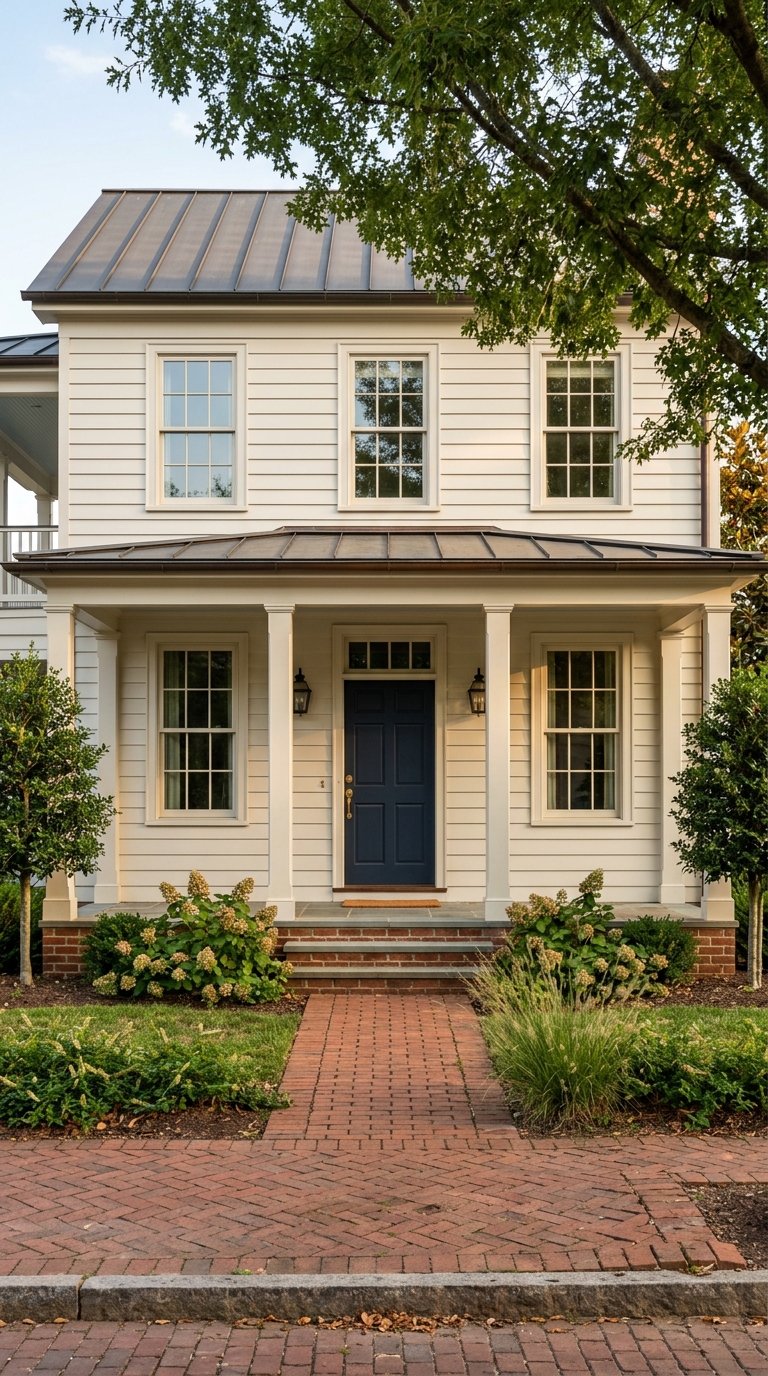
You may also see Colonial Revival, Georgian Revival, and bungalow forms that reflect Easton’s early-20th-century growth. These homes can offer historic character with layouts or proportions that feel more familiar to modern buyers.
What Easton reviews before you renovate
For most buyers, this is where historic-home excitement turns into practical planning. In Easton, exterior alterations or new construction within the district that are not routine maintenance require review, and some minor work may be handled administratively but still need a Certificate of Appropriateness.
That can include projects involving roofing, windows, siding, or HVAC installation. The Town reviews those items case by case based on the property’s significance, the visibility of the work from the public right-of-way, and the condition of the existing materials.
Routine maintenance is treated differently. Easton’s ordinance says routine maintenance does not require a Certificate of Appropriateness, and paint color is generally not regulated. However, painting previously unpainted brick or concrete block does require approval.
That last point matters because masonry choices can affect long-term building health. Easton’s design guidance cautions against trapping moisture in masonry with inappropriate waterproof coatings and against casually covering or removing original masonry features.
There is also some flexibility built into the process. Easton’s code says the commission is not required to limit construction or alterations to the architectural style of one exact period, which means compatible improvements may still be possible even if they are not strict period copies.
Tax credit opportunities to know
If you are planning a larger rehabilitation, incentives may be worth exploring early. Maryland’s Homeowner Tax Credit applies to single-family, owner-occupied certified historic structures and can cover 20 percent of eligible rehabilitation expenses.
The program is capped at $50,000 in a 24-month period and requires at least $5,000 in eligible expenses. According to the Maryland Historical Trust, eligible work can include structural repairs, window and door restoration, masonry repair or repointing, and mechanical, electrical, and plumbing work.
This is different from the federal 20 percent historic tax credit, which generally applies to income-producing properties rather than owner-occupied homes. If you are buying a primary residence in Easton, that distinction is important.
What to inspect before making an offer
Historic homes can be deeply rewarding to own, but they reward careful buyers. Before you tour seriously or write an offer, focus on the issues most likely to affect cost, livability, and renovation plans.
Check moisture first
Moisture should be near the top of your list with any older home. Preservation guidance identifies moisture as a major threat to historic buildings and recommends keeping roofs weather-tight, inspecting them regularly, repairing flashing and downspouts, and making sure basement and foundation drainage are working properly.
When you walk through an Easton home, pay close attention to roof condition, gutter performance, basement or crawl space dampness, and signs of long-term water intrusion. A beautiful exterior does not always tell you what is happening lower down or behind finished surfaces.
Look closely at windows
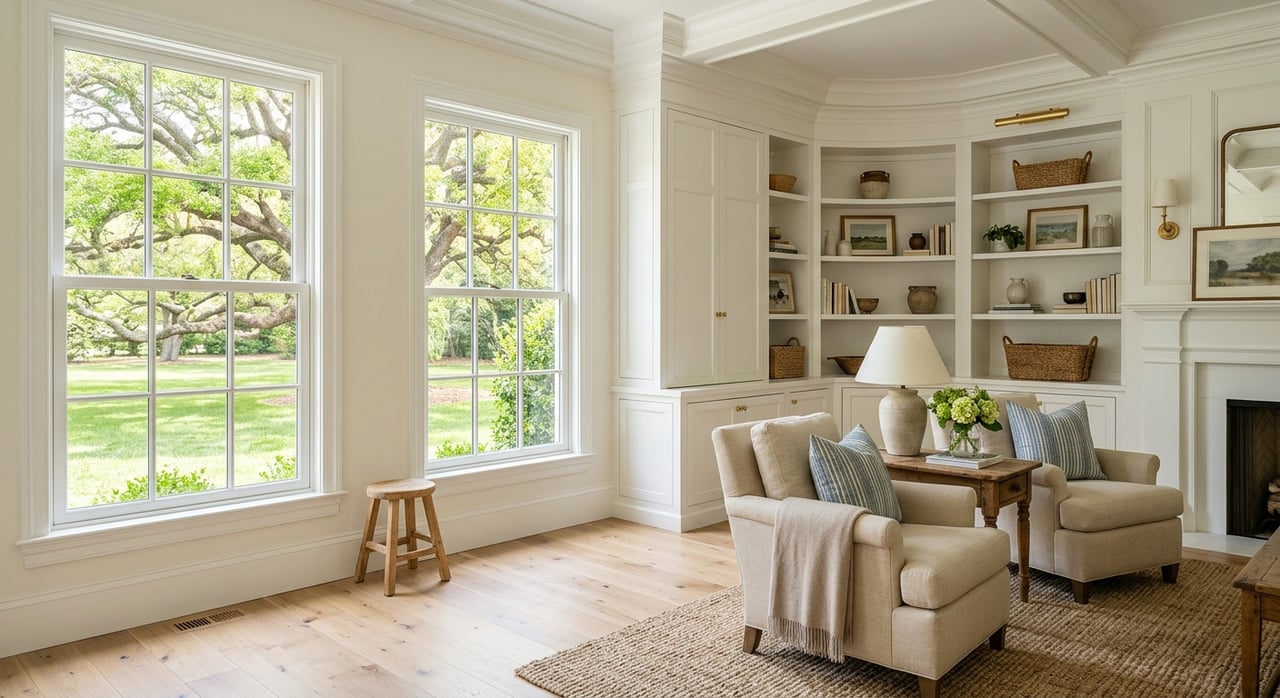
Original windows can be one of the most important character features in a historic home. Guidance for historic buildings recommends considering repair before replacement, with weatherstripping and storm windows often serving as early steps instead of full replacement.
In Easton, that matters not only for character but also because exterior work may be reviewed case by case. If a home still has older windows, ask whether they are operable, how they have been maintained, and whether any past replacements were approved.
Understand lead paint risk
Lead-based paint is a real concern in older housing stock. The older the home, the more likely it is to contain lead-based paint, and homes built before 1940 are especially likely to have some lead-based paint somewhere in the structure.
If you are buying a pre-1978 home, renovation or repair work can create hazardous lead dust if painted surfaces are disturbed. A lead inspection can be especially helpful before purchase so you can make a more informed decision about both safety and renovation planning.
Treat asbestos as a renovation issue
Asbestos is often less obvious during a showing, but it can become important once renovation begins. The practical takeaway for buyers is simple: if older floor tile, ceiling tile, shingles, siding, or similar materials may be disturbed, have suspect materials evaluated by qualified professionals.
Smart questions to ask about a historic Easton home
Before you move forward, ask direct questions that match Easton’s local review system and the home’s condition.
- Is the property a contributing structure, a local landmark, or simply located within district boundaries?
- Are there prior Certificates of Appropriateness, permit records, or Historic District Commission approvals for exterior work?
- What original materials remain in place, and what has already been replaced?
- Is there any known history of water intrusion, masonry sealing, or siding installed over original materials?
- If you plan to renovate, which projects are likely to trigger review?
- Could the property qualify for Maryland’s homeowner historic tax credit if it is owner-occupied and meets program rules?
These questions can save you time, money, and frustration. They can also help you compare two homes that may seem similar at first glance but carry very different ownership costs and project paths.
How to buy with confidence
Buying a historic home in Easton is not just about finding charm. It is about understanding what you are buying, how the Town reviews exterior changes, and where preservation priorities may affect your timeline and budget.
The right house can offer architectural character, walkable in-town appeal, and a strong sense of place that is hard to replicate. But the smartest buyers look past the romance long enough to study the materials, prior approvals, likely maintenance, and any renovation plans before they commit.
If you are considering a historic home in Easton, it helps to work with a team that understands distinctive Eastern Shore properties and can help you ask the right questions early. The Linthicum Group brings local insight, steady guidance, and hands-on experience with character-rich homes across Maryland’s Eastern Shore.
FAQs
What makes a home historic in Easton?
- In Easton, a home may be within the Meeting House District or Old Easton District, may be a local landmark, or may be recognized in historic records, but local ordinance is what determines whether exterior review applies.
Does buying a historic home in Easton limit interior changes?
- Easton’s ordinance says the Historic District Commission’s jurisdiction is over exterior features rather than the home’s interior arrangement.
Do all exterior repairs on a historic Easton home need approval?
- No. Routine maintenance does not require a Certificate of Appropriateness, but exterior alterations that are not routine maintenance generally do.
Can you replace windows on a historic home in Easton?
- Sometimes. Easton reviews windows case by case, and repair is generally worth evaluating before replacement.
Are there tax credits for restoring a historic home in Easton?
- Possibly. Maryland’s Homeowner Tax Credit may apply to single-family, owner-occupied certified historic structures if the project meets program requirements.
What should buyers inspect first in an older Easton home?
- Start with moisture-related issues such as roof condition, flashing, gutters, downspouts, and basement or foundation drainage, then evaluate windows, painted surfaces, and any materials that could be affected by future renovation.