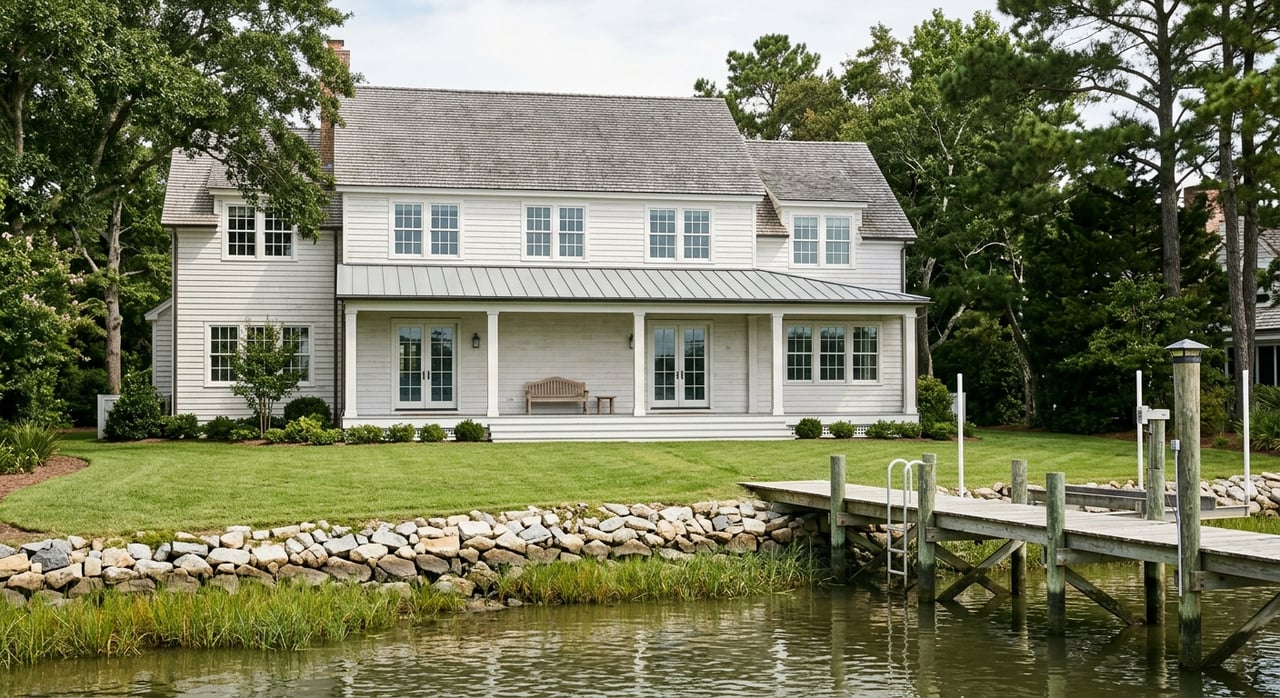
Waterfront sounds simple until you start comparing what that word means in Cambridge. One home may give you broad Choptank views, another may put you close to the marina and downtown, and another may offer historic character with the water woven into daily life. If you want to choose the right fit, you need to look past the view and focus on how you actually want to live. Let’s dive in.
Start With Your Waterfront Goal
In Cambridge, waterfront is not one single experience. The city’s waterfront includes open riverfront areas along the Choptank, creek and marina-adjacent locations near Cambridge Creek, and historic downtown waterfront blocks where the setting is tied closely to the city center.
That variety is part of the appeal, but it also means your first decision should be about lifestyle. Before you compare square footage or finishes, decide whether you want open water, boating convenience, walkability, or a quieter residential feel.
Choose Open River Views
If your priority is a stronger open-water setting, Choptank-facing frontage is usually the best match. Cambridge’s riverfront identity is shaped in part by public waterfront spaces like Great Marsh Park, Long Wharf Park, and Sailwinds Park, which frame the city’s broader relationship to the river.
This kind of setting often appeals to buyers who picture big views and a more expansive waterfront backdrop. It can feel very different from a home tucked near the creek or downtown core.
Choose Creek and Marina Access
If boating convenience matters most, creek-adjacent or marina-area properties deserve a closer look. The Cambridge Municipal Yacht Basin sits on the Choptank River near the mouth of Cambridge Creek, and Maryland DNR notes the basin has transient slips and a maximum depth of 13 feet.
For many buyers, that makes this part of Cambridge especially practical. You may be closer to waterfront activity, boating infrastructure, and downtown access, which can shape your day-to-day experience more than a dramatic view alone.
Choose Historic Downtown Waterfront
Some buyers want the water and the character of in-town Cambridge. The downtown waterfront is closely tied to the marina, the Route 50 bridge corridor, Long Wharf, and the historic city center, with the Choptank River Lighthouse visible from both land and water just a few blocks from downtown.
This area can feel more connected, active, and walkable than other waterfront settings. If you like the idea of being near local events, parks, and the downtown core, this may be the kind of waterfront that fits you best.
Compare Daily Life, Not Just the Lot
A waterfront purchase is really a lifestyle decision. In Cambridge, the same word can describe properties with very different levels of activity, privacy, access, and long-term upkeep.
That is why it helps to think through your regular routine. Ask yourself what you want the property to feel like on a random Tuesday, not just on a summer weekend.
Think About Walkability vs Privacy
Cambridge’s downtown and waterfront planning supports a walkable, mixed-use center, while the city’s zoning framework also recognizes residential neighborhoods and neighborhood-conservation areas intended to maintain more traditional residential character. In practical terms, some waterfront locations feel social and connected, while others feel more like a quiet home base.
Neither is better. The right choice depends on whether you want to be close to activity or prefer more separation from it.
Visit at Different Times
A waterfront lot can show one personality in the morning and another later in the day. This is especially true in Cambridge, where the waterfront core includes parks, downtown blocks, marina activity, and public gathering spaces.
If possible, visit from both land and water. A property near the downtown waterfront may feel very different from a Choptank-facing setting near the parks or marina once you experience the broader area around it.
Make Boating Access Specific
If you own a boat or expect to, do not stop at the word waterfront. One of the most important questions in Cambridge is whether the water actually works for your boat size, your boating habits, and the kind of access you want.
Cambridge has three public launches and the municipal yacht basin, but Maryland DNR notes that public water-access sites are managed locally and that rules, fees, and permits can vary by site. That means convenience depends on the exact property and the exact access point, not just the neighborhood name.
Check the Nearest Access Point
When comparing listings, look at the nearest real launch or access location rather than relying on the address alone. The city has launches at Franklin Street, Trenton Street, and Great Marsh Park.
That can matter quite a bit if you are planning regular time on the water. A home that looks close on a map may not match your needs as well as one with better practical access.
Match the Property to Your Boat
Boating goals are personal. Some buyers want quick launch convenience, some want to be near slips and waterfront activity, and some simply want the setting without active boating use.
In Cambridge, the best waterfront choice is often the one that matches how often you will be on the water and how much convenience you want built into your routine. That is especially important for second-home buyers trying to make weekends easy and low-stress.
Understand Historic District Rules
Cambridge has a large and meaningful historic core. The Historic District covers more than forty city blocks, includes a large portion of downtown, and extends northwest along the waterfront into Wards 1, 3, and 4.
If a waterfront home sits within that district, exterior changes may require more review than you expect. The Historic Preservation Commission reviews exterior alterations in the district, including changes not visible from the street or water.
Why This Matters for Buyers
Even if you are not planning a major renovation, historic district status can affect future flexibility. Simple assumptions about exterior updates, materials, or changes to the property may not hold once review requirements are involved.
That does not make these homes less appealing. In fact, many buyers love the architectural character and established setting. It just means you should confirm the property’s status early in your search.
Ask About Floodplain and Resilience
In any waterfront market, the view is only part of the story. In Cambridge, Planning & Zoning handles Chesapeake Bay Critical Area and flood plain management information, and city materials connected to the Make Cambridge Resilient project say shoreline flooding is a growing concern that could affect parks, streets, and residences.
For you as a buyer, that makes resilience part of the decision. The practical question is not just whether a property is on the water, but how it sits in relation to shoreline conditions, public access, and long-term maintenance needs.
Look at Exposure and Setting
When touring homes, ask how exposed or protected the property feels. Some listings may sit in places that feel more open to shoreline conditions, while others may feel more buffered.
This is worth understanding before you fall in love with the view. A beautiful waterfront setting should also make sense for the level of maintenance and long-term planning you are comfortable with.
A Simple Cambridge Waterfront Checklist
If you want to narrow your search faster, use this checklist as your starting point:
- Decide whether you want open river views, creek and marina convenience, or historic downtown walkability.
- Compare the nearest water-access point, not just the street address.
- Visit the property at different times and, if possible, from both land and water.
- Confirm whether the home is in the Historic District before assuming exterior changes will be straightforward.
- Ask how the property fits Cambridge’s broader floodplain and resilience conversation.
- Compare the downtown waterfront core with the more residential edges of town before choosing your ideal setting.
The clearer you are about these points, the easier it becomes to spot the right opportunity. In a market as nuanced as Cambridge, that clarity can save you time and help you buy with more confidence.
Cambridge waterfront properties can be beautiful for very different reasons. Some are all about open Choptank views, some center on boating ease, and some blend historic character with a lively in-town setting. When you choose based on how you want to use the property, not just how it photographs, you are much more likely to end up with a home that truly fits your life.
If you want local guidance on Cambridge waterfront homes, from historic in-town properties to distinctive Eastern Shore retreats, The Linthicum Group can help you evaluate the details that matter most.
FAQs
What kinds of waterfront property are available in Cambridge?
- Cambridge buyers typically compare open riverfront on the Choptank, creek or marina-adjacent locations near Cambridge Creek, and historic downtown waterfront settings tied to the city center.
What should Cambridge buyers know about boating access?
- Cambridge has three public launches, at Franklin Street, Trenton Street, and Great Marsh Park, plus the municipal yacht basin, but local rules, fees, and permits can vary by site.
What does the Cambridge Historic District mean for waterfront homes?
- If a property is within the Historic District, exterior changes may be reviewed by the Historic Preservation Commission, including some work not visible from the street or water.
Why does floodplain information matter for Cambridge waterfront property?
- Cambridge Planning & Zoning handles flood plain and Critical Area information, and city resilience planning notes shoreline flooding as a growing concern that can affect residences, streets, and parks.
How can you compare Cambridge waterfront listings more effectively?
- Start by defining your priority, such as views, boating convenience, walkability, or privacy, then compare access, setting, district status, and how the property feels in daily use.