Buying a home in Cambridge from out of town can feel simple on paper and surprisingly layered in real life. You may be trying to judge a waterfront block, a historic home, or a second-home setting from photos and a few map pins alone. The good news is that with the right local research and a smart visit plan, you can narrow options faster and avoid common surprises. Let’s dive in.
Why Cambridge Takes Extra Homework
Cambridge is one of Maryland’s oldest towns, dating to 1684, and its character is closely tied to the Choptank River, the historic downtown core, and the waterfront districts. That mix gives you a lot of variety, from in-town historic residences to water-oriented properties and more rural settings outside the core.
For an out-of-town buyer, that variety is exactly why early research matters. Two homes at a similar price point can come with very different considerations around historic review, flood exposure, boating access, renovation timing, and overall setting.
Cambridge Market Snapshot
The market appears active, but not frantic. Redfin reported a median sale price of $269,839 in May 2026, with 83 days on market and a somewhat competitive market, while Zillow showed an average home value of $265,895 and homes going pending in around 21 days as of May 31, 2026.
Those numbers use different methods, so they should be treated as directional rather than identical. For you, the takeaway is simple: Cambridge is not a market where every home disappears instantly, but you still want to be ready to act when the right property comes up.
Start With the City Map Portal
If you are buying remotely, Cambridge’s official map portal is one of the best first stops for pre-trip research. It includes the Historic Preservation District, Downtown/Waterfront Development District, Main Street District, Maple Street District, Pine Street Historic District, Priority Funding Area, and the Know Your Zone floodplain evacuation map.
That gives you a practical way to screen homes before you spend time and money on travel. You can quickly see which properties may need a closer look for historic rules, waterfront context, or flood-related planning.
What to check first
- Whether the property is in or near the Historic Preservation District
- Whether it sits in a downtown or waterfront district
- Whether the floodplain evacuation map suggests added due diligence
- How close it is to the areas and amenities that matter most to you
Understand Historic District Rules Early
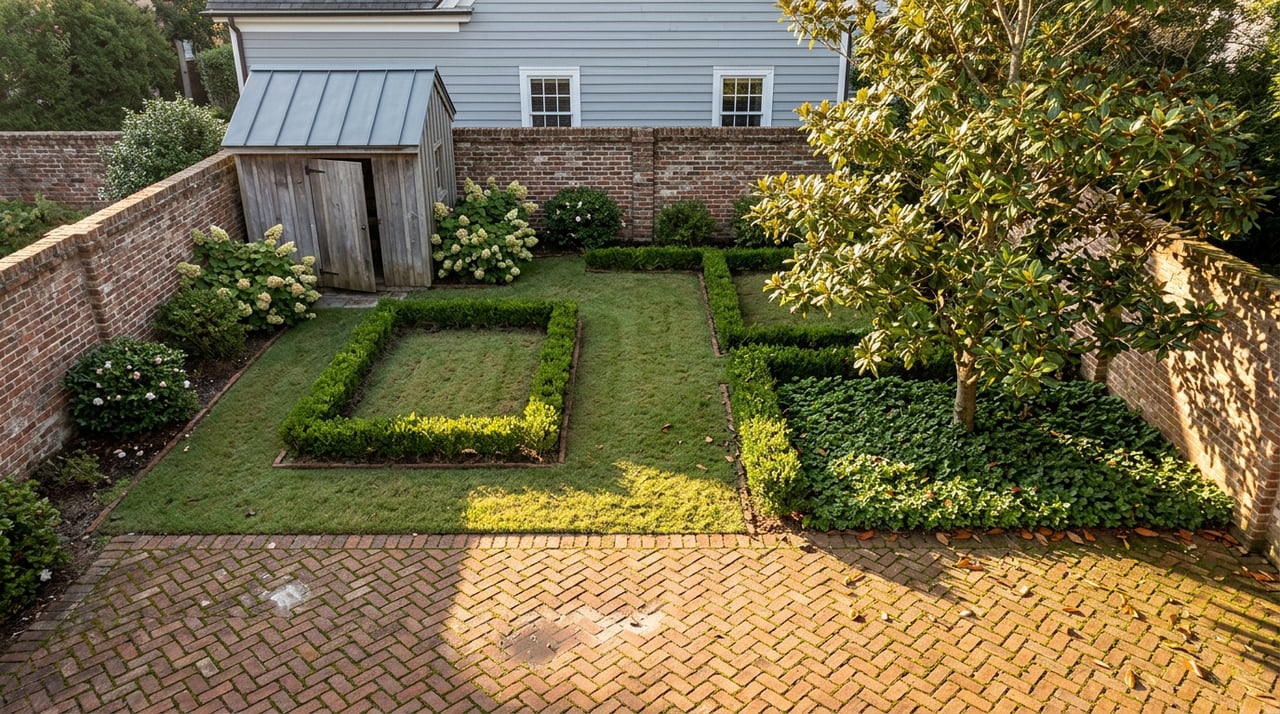
If you love the charm of downtown Cambridge or are drawn to older homes near the waterfront, historic review needs to be part of your buying process from day one. The Cambridge Historic Preservation Commission reviews and issues Certificates of Appropriateness for exterior alterations in the historic district.
Importantly, the review applies even to changes that are not visible from the street or water. The list includes roofs, doors, windows, porches, railings, curb cuts, new construction, renovations, and major landscaping.
Why this matters before you make an offer
A home may look move-in ready online, but your plans for updates could run into a different timeline or approval path than you expected. If you are considering replacing windows, changing a porch, updating the roofline, or making larger exterior improvements, you will want those questions answered before you finalize an offer strategy.
If you are shopping historic homes from a distance, this is where local guidance becomes especially valuable. You need more than listing photos. You need to know what the city may review and how that could affect your timeline and budget.
Waterfront Research Goes Beyond the View
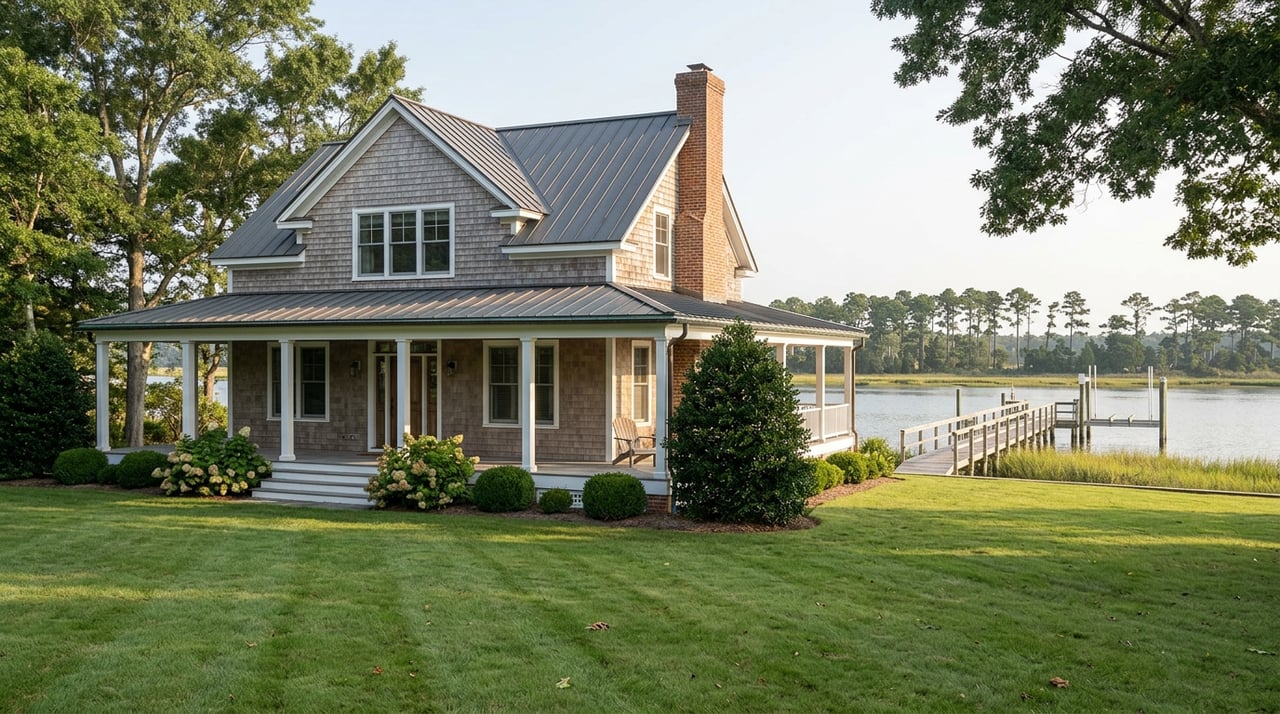
Cambridge’s waterfront is a major reason buyers look here in the first place. The city offers three public boat launches, Great Marsh Park, Long Wharf Park, and the Cambridge Municipal Yacht Basin on the Choptank River near Cambridge Creek.
Long Wharf Park and Marina also has a unique convenience: according to the city, it is the only spot where fishing is allowed without a fishing license. The county tourism site also notes that the Choptank River Lighthouse is at Long Wharf Park and that Sailwinds Park offers Choptank River views and houses the tourism center.
What to evaluate on waterfront or water-adjacent homes
- The property’s relationship to the river, creek, or shoreline
- Nearby public waterfront access and boating amenities
- Whether your lifestyle is more downtown-marina oriented or more private and rural
- Whether floodplain questions need deeper review before moving forward
A pretty water view is only part of the story. You also want to understand how the location fits the way you plan to use the property, whether that means weekend boating, seasonal living, or a full-time move.
Don’t Overlook Rural and Nature-Focused Options
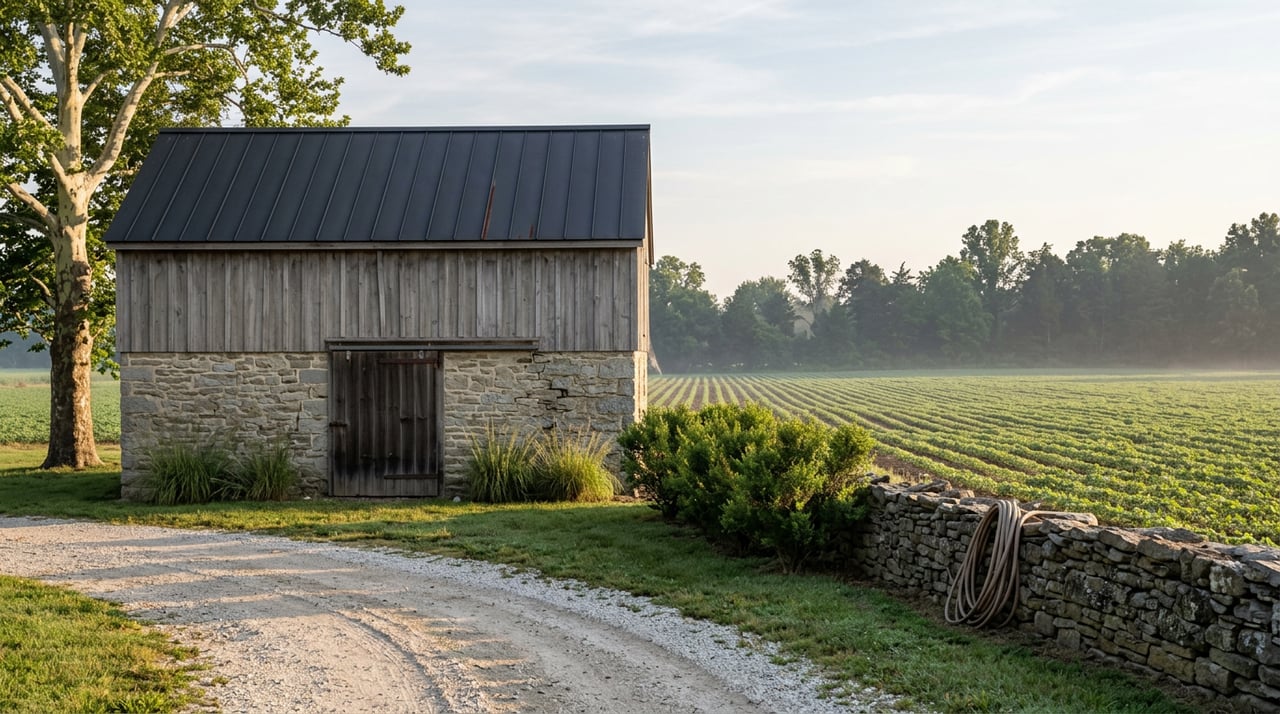
Not every Cambridge-area buyer wants to be in the historic core. If your search includes more privacy, land, or a second-home retreat feel, the broader area opens up quickly.
Blackwater National Wildlife Refuge is about 12 miles south of Cambridge and includes more than 30,000 acres of tidal marshes, forests, wetlands, and croplands, along with hiking trails, paddling trails, and the Wildlife Drive. For some buyers, that nearby access to open space is just as important as being close to downtown.
Buyers who may prefer the outer areas
- Second-home buyers looking for a quieter retreat
- Land buyers comparing in-town and rural options
- Buyers who want easy access to paddling, trails, and nature-focused recreation
- Shoppers deciding between waterfront living and a more private setting
Plan Your Visit Day With Intention
When you are flying or driving in for a short tour window, efficiency matters. Cambridge makes that easier than you might expect.
The city publishes driving directions from Baltimore, Washington, Annapolis, Richmond, Philadelphia, and points south of the peninsula, generally routing travelers toward Route 50 or Route 13. If you prefer to fly, the county-owned Cambridge-Dorchester Regional Airport is a public-use airport located three nautical miles southeast of downtown Cambridge.
A smart one-day touring sequence
A practical visit plan is to start in the downtown and historic core, then move to the Long Wharf, Yacht Basin, and Great Marsh waterfront areas, and finish with any Route 16 or Blackwater-area properties if your search includes land or more private settings.
This sequence works because many of Cambridge’s historic, civic, marina, and park amenities are clustered near the waterfront, while more rural options sit farther south and west. It helps you compare settings in a way that feels organized instead of rushed.
Check the local calendar first
Before you lock in showings, review the local events calendar. Cambridge’s tourism calendar lists events at Long Wharf, High and Water Streets, Poplar Street, Race Street, and other local venues, which can affect parking, traffic flow, and how busy an area feels during your visit.
That may sound minor, but for an out-of-town buyer, it can change your impression of a block or your timing between appointments. A smoother tour day usually leads to better decisions.
Build a Strong Remote Offer Package
Most buyers already do a large share of their search online. In NAR’s 2024 Profile of Home Buyers and Sellers, 43 percent of buyers said their first step was to search online, 69 percent used a mobile or tablet device, and buyers said photos, detailed property information, and floor plans were especially useful.
The same report found that buyers viewed a median of seven homes, with two viewed online only, and that the median search length was 10 weeks. For a Cambridge buyer shopping from afar, that supports a clear strategy: the property information has to do more work up front, and your local advisor needs to fill in the on-the-ground context that screens cannot show.
Ask for these details early
- Clear interior and exterior photos
- Detailed property notes beyond the basic listing remarks
- Floor plans, if available
- Context on the street, surrounding setting, and nearby uses
- Insight on how the home compares to similar local options
Get Financing Ready Before the Trip
If you are serious about buying, financing prep should happen before your visit, not after. The CFPB advises buyers to compare at least three loan offers from different lenders and to ask at least three lenders for preapproval.
It also notes that a preapproval letter is tentative rather than guaranteed, helps show a seller that you are serious, and often has a short expiration window. In a market like Cambridge, that matters because a well-matched property may not wait for you to sort out financing once you get home.
Check Flood and Planning Questions Up Front
In Cambridge, flood and planning due diligence deserve extra attention, especially for water-adjacent homes. The city has a 2015 Floodplain Management Ordinance, a Know Your Zone floodplain evacuation map, and an active Make Cambridge Resilient shoreline protection and flood-mitigation effort along the waterfront.
The city’s Planning and Zoning Department also handles flood plain management information, Chesapeake Bay Critical Area issues, design standards for neighborhood compatibility, and land use management. Building Safety Services handles permits and inspections.
Four questions to answer before you move forward
- Is the property in a historic district?
- What exterior changes would city review apply to?
- Is the property in a flood-related area that needs closer review?
- How quickly can you be ready to write an offer if the home fits?
If you are thinking about renovating after closing, timing matters too. The city notes that Planning and Zoning applications generally need to be submitted about 30 days before a meeting, and some matters need more lead time.
Why Local Guidance Matters More in Cambridge
The hardest part of buying in Cambridge is not just finding a home you like. It is understanding how historic review, waterfront conditions, floodplain questions, and local timing can overlap on a single property.
That is where a local, hands-on team can make the process feel more manageable. The Linthicum Group’s work across Cambridge and the Eastern Shore, including waterfront properties, historic homes, premier residences, and land, is especially well matched to out-of-town buyers who need clear local context and steady communication.
If you are planning a focused home search in Cambridge, working with a team that knows the difference between a pretty listing and a truly well-matched property can save you time and help you buy with more confidence. When you’re ready to talk through your goals, connect with The Linthicum Group .
FAQs
What should an out-of-town buyer research first in Cambridge, Maryland?
- Start with Cambridge’s official map portal to check historic districts, waterfront-related districts, and the Know Your Zone floodplain evacuation map before planning showings.
What does the Cambridge Historic Preservation Commission review for buyers?
- In the historic district, the commission reviews exterior alterations such as roofs, doors, windows, porches, railings, curb cuts, new construction, renovations, and major landscaping, including changes not visible from the street or water.
How fast is the Cambridge, Maryland real estate market for buyers?
- Recent data suggests an active but not ultra-fast market, with Redfin reporting 83 days on market in May 2026 and Zillow showing homes going pending in around 21 days, so readiness still matters.
What should a remote buyer look for in Cambridge waterfront homes?
- Focus on more than the view by reviewing the property’s water relationship, nearby public access and boating amenities, flood-related considerations, and whether the setting fits your planned use of the home.
How should an out-of-town buyer plan a Cambridge home tour?
- A productive visit often starts in the downtown and historic core, moves through the Long Wharf and Yacht Basin waterfront areas, and then finishes with outlying properties if your search includes land or more private settings.
Why is local real estate guidance useful for Cambridge buyers?
- Local guidance helps you sort through overlapping factors like historic review, floodplain questions, waterfront conditions, and city planning timelines that may not be obvious from online listings alone.