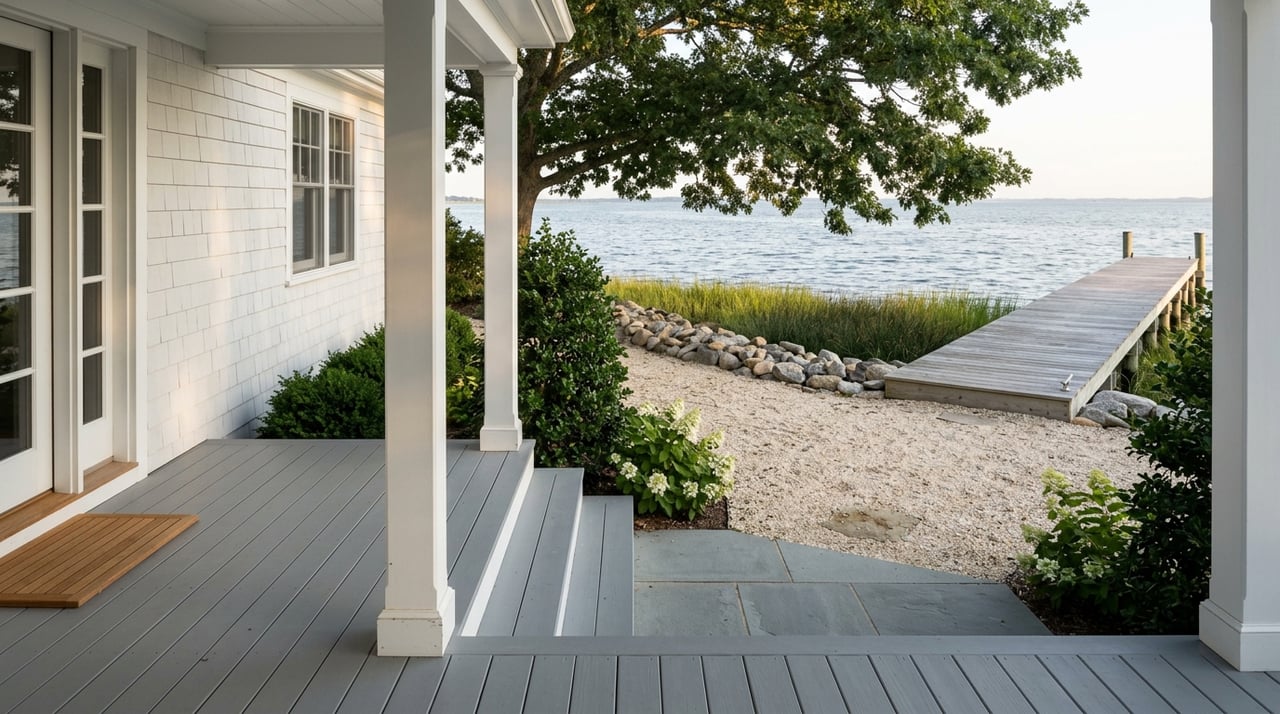
Wondering how to sell a Cambridge waterfront home without getting buried in questions about docks, flood zones, permits, and shoreline condition? You are not alone. Waterfront property can attract serious interest, but it also brings extra layers of buyer scrutiny and due diligence. The good news is that with the right preparation, pricing, and presentation, you can move forward with more clarity and less stress. Let’s dive in.
Why Cambridge waterfront homes sell differently
A waterfront home in Cambridge is not just another single-family listing. It is part home, part lifestyle property, and buyers often evaluate it through that lens. They are looking at views, boating access, seasonal enjoyment, hosting space, and the overall relationship between the home and the water.
Cambridge’s identity along the Choptank River helps shape that demand. With amenities like Long Wharf, the city marina, and the Choptank River Lighthouse, the area has a clear waterfront appeal. The city also notes that Cambridge is within 90 miles of both Washington, D.C. and Baltimore, which helps explain why your buyer may be local, regional, or looking for a second-home retreat.
That wider audience matters. Research cited in the report shows that 16% of buyers purchased non-primary residences, 5% purchased vacation homes, and 6% bought based only on a virtual tour, showing, or open house without physically seeing the home. In a market like Cambridge, that means your listing needs to work for both in-person buyers and people evaluating the property from afar.
What waterfront buyers want to know
Water access and riparian rights
If your home offers water access, buyers will want specifics, not general statements. They may ask whether the pier or dock is permitted, what type of boats the water can accommodate, whether lifts or other features were added legally, and what maintenance has been completed.
Maryland guidance makes clear that riparian rights are a real part of waterfront ownership, and permits are often required for building or changing piers and related access improvements. For you as a seller, that means it helps to be ready with records that show what exists, what was approved, and how it has been maintained over time.
Shoreline condition and protection
Your shoreline tells an important part of the property story. Buyers often want to know whether the edge is stabilized with a living shoreline, bulkhead, riprap, or another method, and whether there have been any known erosion issues.
Maryland notes that shoreline protection choices depend on site conditions such as marsh presence, fetch, bank height, beach conditions, nearshore depth, and the location of permanent structures. In practical terms, buyers are looking for two things: how the shoreline functions today and whether the work appears to be documented and appropriate for the site.
Flood risk and elevation
Flood questions are standard on waterfront listings, and they usually come early. Buyers may ask what flood zone the property is in, whether flood insurance is currently carried, and whether an elevation certificate is available.
Flood-map tools and elevation data can help show how a building’s first floor compares with expected floodwater height. Research in the report also notes that elevation certificates can be especially relevant in higher-risk zones and may help insurers assess risk. In Dorchester County, floodplain management is recognized as an important local planning function, which is one more reason to organize these details before the home hits the market.
Work near tidal waters
Many buyers will also ask about improvements made near the shoreline. That can include decks, additions, stairs, docks, shoreline stabilization, drainage work, and other changes close to tidal waters or wetlands.
In Maryland, properties within 1,000 feet of tidal waters and tidal wetlands may be subject to Critical Area review, with local governments administering much of that enforcement. If you have records for past work, having them ready can build confidence and reduce back-and-forth during due diligence.
Why documentation builds confidence
Waterfront transactions tend to go more smoothly when the seller is organized. A well-prepared documentation packet shows buyers that you understand the property and have taken its waterfront features seriously.
Useful records may include:
- Dock or pier permits
- Shoreline stabilization permits
- Records for dredging or boat-lift work
- Contractor invoices
- Flood insurance declarations
- Elevation certificate, if available
- Maintenance records for bulkheads, riprap, living shorelines, or drainage systems
These documents often answer the exact questions buyers, lenders, and insurers raise. Instead of scrambling for records after an offer comes in, you can present a clearer picture from the start.
If you are considering repairs or shoreline updates before listing, pause before starting work. Maryland’s guidance shows that shoreline projects depend heavily on site conditions and may require permits and licensed marine contractors. In other words, not every improvement is a quick cosmetic fix, and documented compliance matters.
Marketing a Cambridge waterfront home well
Visual proof matters more here
For waterfront property, photos need to do more than make the house look attractive. They need to show how the home sits on the lot, how the views connect to interior spaces, where the shoreline sits, and how the dock or pier relates to the house.
Research in the report found that buyers’ agents place strong importance on photos, staging, videos, and virtual tours. For waterfront listings, that usually means the marketing package should include strong photography, thoughtful staging, video, and often aerial imagery or other visuals that make the setting easy to understand.
This is especially important in Cambridge because some buyers may be shopping from outside the immediate area. If someone is coming from Washington, Baltimore, Annapolis, or another regional market, your online presentation may shape whether they book a showing at all.
Show the lifestyle accurately
A good waterfront listing captures both the home and the experience of owning it. Buyers want to imagine morning coffee with a river view, easy access to a boat, outdoor entertaining, and the rhythm of seasonal use.
That does not mean overselling. It means clearly presenting the facts of the property’s waterfront features and showing how those features function in real life. Clean sightlines, tidy outdoor spaces, visible access routes to the water, and well-composed aerials can all help tell that story.
Staging should support the setting
Inside the home, staging works best when it supports the water rather than competing with it. Rooms should feel open, calm, and oriented toward the views where possible. Outdoor seating areas, porches, and waterside spaces should also feel ready to use.
This kind of preparation fits well with a Cambridge waterfront audience. Many buyers are not just comparing square footage. They are comparing how convincingly each property delivers the Eastern Shore lifestyle they want.
Timing your sale in Cambridge
Waterfront homes can sell in different seasons, but timing still matters. Spring and summer often make it easier to show landscaping, boating activity, dock access, and the full visual appeal of the shoreline.
That practical reality is reflected in Cambridge’s own seasonal waterfront patterns. The Choptank River Lighthouse operates daily from May 1 through October 31, and marina hours are longer from May through October than in winter. Those details reinforce a simple point: some months naturally make the waterfront experience easier to see and feel.
National research referenced in the report identified mid-April as the best week to list a home in 2026, while also noting that spring patterns are not guarantees. For your property, the better question is not just when the market is active, but when your home will show its waterfront strengths most clearly.
How to sell with fewer surprises
Start with a realistic waterfront strategy
The most successful Cambridge waterfront sales usually begin with a clear-eyed plan. That includes understanding the property’s strongest lifestyle features, identifying any documentation gaps early, and preparing for the questions buyers are likely to ask.
That also means pricing with context. A waterfront home is rarely judged on square footage alone. Buyers may weigh water access, shoreline condition, orientation, privacy, and ease of use just as heavily.
Prepare for detail-oriented buyers
Waterfront buyers tend to be careful buyers. They may have questions about permits, maintenance, insurance, erosion, elevation, or prior improvements near the water. That level of scrutiny is normal and should not be seen as a red flag.
When you are ready with organized information, those conversations become easier. Instead of uncertainty slowing the process down, your preparation helps buyers feel more comfortable moving forward.
Work with local waterfront experience
Distinctive properties benefit from local knowledge and hands-on execution. In Cambridge and across the Eastern Shore, that often means understanding not just the home itself, but also how waterfront details affect pricing, marketing, and buyer confidence.
For sellers, that local perspective can make a meaningful difference. From aerial marketing to vendor coordination to helping you frame the property accurately, the right support helps turn a complex sale into a more confident one.
Selling a Cambridge waterfront home with confidence usually comes down to three things: clear records, smart presentation, and guidance grounded in the realities of Eastern Shore property. When your home is marketed as both a residence and a waterfront lifestyle asset, buyers can see its value more clearly. If you are thinking about your next move, The Linthicum Group offers experienced, locally grounded support for distinctive Cambridge and Eastern Shore properties.
FAQs
What documents help when selling a Cambridge waterfront home?
- Helpful documents often include dock or pier permits, shoreline stabilization permits, contractor invoices, flood insurance declarations, an elevation certificate if available, and maintenance records for shoreline or drainage features.
Why do buyers ask so many questions about a Cambridge shoreline?
- Buyers want to understand whether the shoreline is stable, how it has been protected, whether work was permitted, and how the waterfront features affect long-term use and maintenance.
Does flood information matter when listing a Cambridge waterfront property?
- Yes. Buyers often ask about flood zones, insurance, and elevation early in the process, so having those records organized can help reduce delays and build trust.
When is the best time to sell a waterfront home in Cambridge?
- Spring and summer often showcase water views, landscaping, and boating access more clearly, but the best timing depends on both market conditions and how well your property shows its waterfront advantages.
What makes marketing different for a Cambridge waterfront listing?
- Waterfront marketing should show more than the house itself. Strong visuals should help buyers understand the views, shoreline, dock or pier, lot orientation, and the overall experience of using the property.