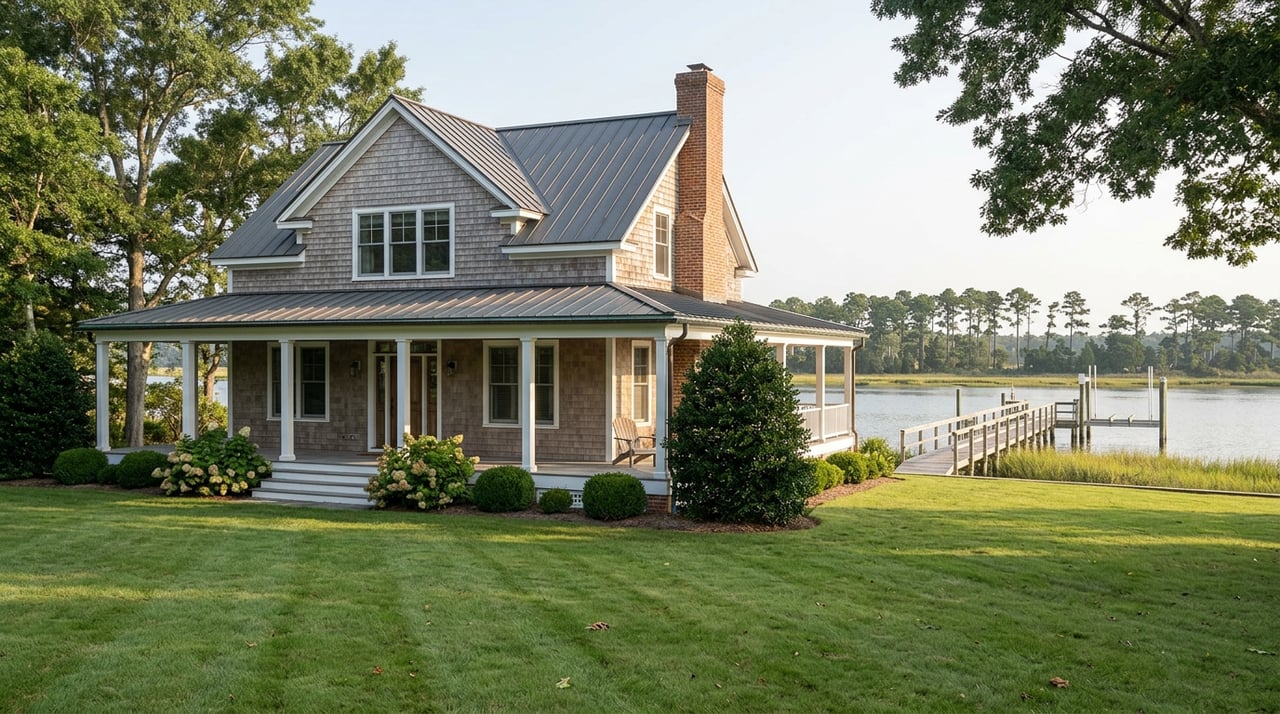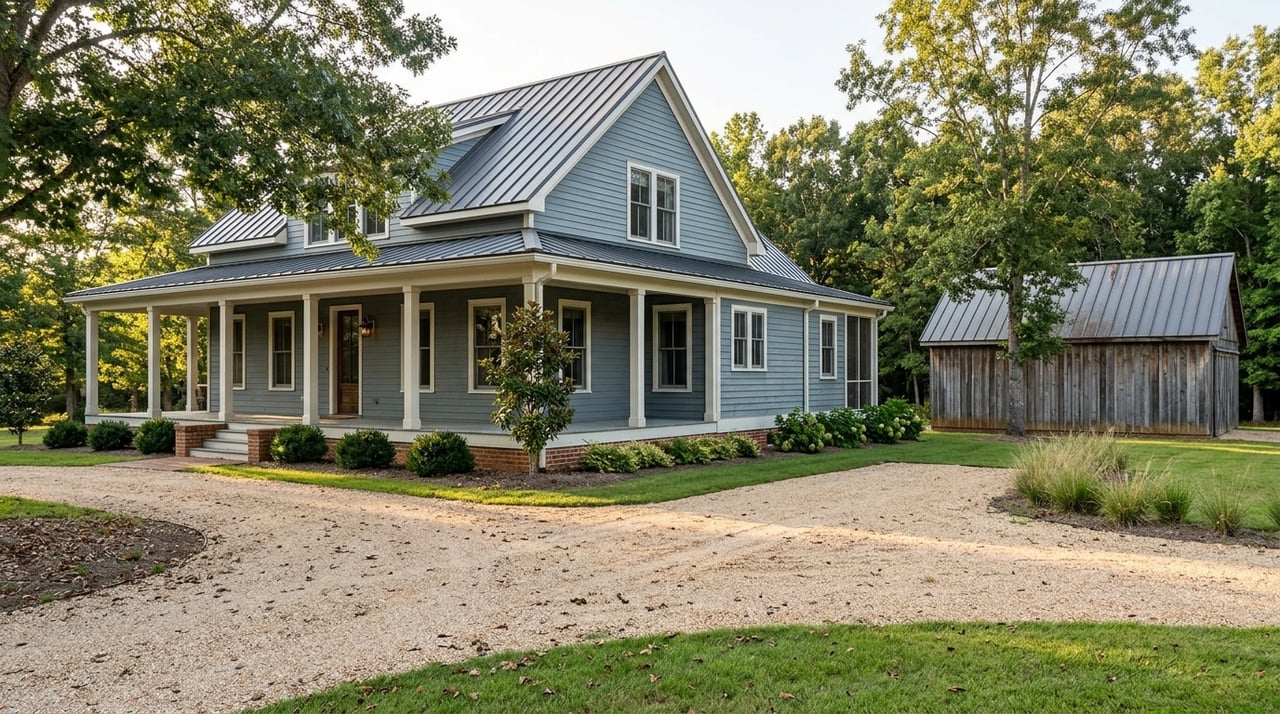
Wondering which Eastern Shore town fits you best? If you are comparing Cambridge with places like Easton, Oxford, St. Michaels, or Trappe, the answer usually comes down to what kind of daily life you want, not just what looks good on a weekend visit. The good news is that each town has a distinct feel, and Cambridge stands out in a way that many buyers find surprisingly practical. Let’s take a closer look.
Why Cambridge Stands Out
Cambridge offers a mix that is hard to find elsewhere on the Eastern Shore. It is a mid-sized city with an estimated population of 13,262 as of July 2024, and it combines a real downtown, a historic waterfront setting, and a broader range of housing than many smaller harbor towns nearby.
Its historic preservation district covers more than forty blocks stretching from downtown toward the waterfront. That gives Cambridge a stronger in-town historic presence than places that are mostly centered on a marina, a small harbor, or a seasonal visitor district.
You also get meaningful public waterfront access. Cambridge has a municipal yacht basin on the Choptank River near Cambridge Creek, plus three public boat launches, which supports the kind of Eastern Shore lifestyle many buyers are looking for.
On top of that, downtown has seen active reinvestment. Since the Main Street program launched, the area has added more than 25 new businesses, more than $3.5 million in building investment, and more than 60 downtown events.
Cambridge vs. Easton
Easton is the larger town, with a July 2025 population estimate of 17,293. Official town materials describe it as a long-established community with a historic downtown, rural and waterfront surroundings, and a strong arts, dining, and shopping identity.
If you want a broader menu of restaurants, galleries, boutiques, and civic services, Easton may feel like the stronger fit. Its planning direction also points toward sustainable growth, compact mixed-use development, adaptive reuse, and policies that support more housing types.
Cambridge feels different. While it also has a historic core and a range of housing options, its identity is more closely tied to the waterfront and the feeling of a working, lived-in Shore community.
Best fit for Easton
Easton may suit you best if you want:
- More dining and shopping options
- A stronger arts and cultural focus
- A broader small-town service center feel
- A market with clear growth-management planning
Best fit for Cambridge
Cambridge may suit you best if you want:
- A stronger waterfront identity
- A compact historic district
- In-town living with public water access nearby
- A town that feels less visitor-focused and more everyday
Cambridge vs. Oxford
Oxford is one of the clearest contrast points. With a 2020 census population of 611, it is much smaller than Cambridge and is described officially as a tree-lined, waterbound village with a long maritime history and a quieter pace.
Oxford is deeply tied to its waterfront setting. Official materials highlight landmarks and amenities like the Oxford-Bellevue Ferry, the Oxford Community Center, the Oxford Museum, and the Tred Avon Yacht Club.
For many buyers, Oxford is appealing because it feels intimate and distinctly maritime. At the same time, its small scale means it is not positioned as a broader service center in the way Cambridge is.
What Oxford offers
Oxford may appeal to you if you are looking for:
- A very small waterfront village
- A quiet pace
- A strong maritime atmosphere
- A more tightly scaled housing environment that is primarily single-family
What Cambridge offers instead
Compared with Oxford, Cambridge gives you:
- More housing variety
- More everyday amenities
- A stronger downtown business base
- A larger civic and commercial footprint
If you love the idea of the water but do not want your search limited to a very small village market, Cambridge often offers more flexibility.
Cambridge vs. St. Michaels
St. Michaels is another small harbor town, with a 2010 census population of 1,029. Official town descriptions present it as a postcard-like destination known for history, water-based recreation, museums, dining, lodging, and arts.
That makes St. Michaels the most polished and visitor-oriented option in this group. Its housing profile is also shaped in part by seasonal use, with current planning materials noting that nearly 19% of housing units are seasonal, recreational, or occasional-use.
For second-home buyers, that may be exactly the appeal. St. Michaels offers a classic harbor-town escape with a strong destination identity.
Cambridge has charm and waterfront access too, but it tends to feel more balanced. Visitors, residents, downtown activity, and working waterfront uses all coexist there in a way that feels less like a pure resort setting.
St. Michaels may fit if you want
- A polished harbor-town atmosphere
- A destination feel
- Museums, lodging, and a strong visitor experience
- A market with visible seasonal-home character
Cambridge may fit if you want
- Historic charm with more everyday-city texture
- Waterfront access without as much resort emphasis
- A downtown that functions for residents as well as visitors
- More mix in housing types and uses
Cambridge vs. Trappe
Trappe is useful as a comparison, but not because it offers the same kind of waterfront experience. Official town materials frame Trappe more as a small inland town with a strong focus on planning, zoning, utilities, parks, and the Lakeside at Trappe development.
In other words, Trappe is a growth-oriented contrast point. It does not carry the same historic harbor-town identity that defines Cambridge, Oxford, or St. Michaels.
That does not make it less appealing. It simply makes it a different kind of choice for buyers whose priorities lean more toward inland living and a development-focused environment.
Trappe may fit if you want
- An inland setting
- A smaller town structure
- A place where growth and infrastructure planning are prominent themes
Cambridge may fit if you want
- A stronger waterfront identity
- More historic character tied to the core of town
- A more established downtown-and-waterfront relationship
What Cambridge Offers Best
When you step back and compare all five towns, Cambridge’s biggest strength is balance. It sits between the smallest waterfront villages and the larger service-oriented centers.
You can think of it this way:
| Town | General Feel | Best Known For |
|---|---|---|
| Cambridge | Balanced waterfront city | Historic core, public water access, downtown activity, housing variety |
| Easton | Regional town center | Dining, arts, shopping, civic services |
| Oxford | Small maritime village | Quiet pace, waterbound setting, village scale |
| St. Michaels | Polished harbor town | Visitor appeal, museums, dining, seasonal character |
| Trappe | Inland growth contrast | Planning, development, utility and infrastructure focus |
For many buyers, that middle-ground position is the real advantage. Cambridge is not just a tourism enclave, and it is not simply a suburban or inland option either.
It offers a combination of features that can support different goals, including:
- Historic in-town living
- Waterfront access
- A functioning downtown
- A wider mix of housing than the smallest Shore villages
- A setting that can work for both primary and second-home buyers
Who Cambridge May Suit Best
Cambridge often makes the most sense if you want the Eastern Shore lifestyle without narrowing yourself to one very specific kind of town. That can be especially helpful if you are relocating, buying a second home, or trying to balance character with practicality.
You may find Cambridge especially appealing if you are looking for:
- A historic home near downtown
- A property with proximity to the water
- A town with visible reinvestment in its core
- More day-to-day functionality than a tiny village market
- A place where waterfront living and everyday life coexist
For buyers coming from outside the Shore, this distinction matters. A town may look charming in photos, but your experience will depend on whether you want a destination atmosphere, a village feel, a growth-oriented inland setting, or a more balanced waterfront community.
A Practical Way to Compare Towns
If you are deciding among Cambridge, Easton, Oxford, St. Michaels, and Trappe, try sorting your priorities into a few simple categories:
- Waterfront lifestyle: Do you want public boat access, harbor views, or a more private village setting?
- Downtown activity: Do you want a broader mix of businesses and events, or a smaller and quieter center?
- Housing variety: Do you want more flexibility in housing types, or are you focused on a narrower village-style market?
- Daily living: Are you shopping for a weekend retreat, a second home, or a place that needs to work full-time?
Cambridge tends to score well when your answer is, "I want some of everything, without going too far toward resort, village, or inland growth."
If you are comparing homes across Cambridge and other Eastern Shore towns, local context matters. Property type, water access, historic character, and town feel can shape value just as much as size or finishes. If you want help sorting through those tradeoffs, The Linthicum Group brings deep Cambridge roots and hands-on Eastern Shore experience to help you find the right fit.
FAQs
How does Cambridge compare with Easton for everyday amenities?
- Cambridge offers a functioning downtown and active waterfront, while Easton generally provides a broader range of restaurants, shopping, galleries, and civic services.
How does Cambridge compare with Oxford for waterfront living?
- Oxford is the smaller and quieter waterbound village, while Cambridge offers waterfront access with more housing variety, more downtown activity, and a larger everyday-service base.
How does Cambridge compare with St. Michaels for second-home buyers?
- St. Michaels has a more polished harbor-town and seasonal-use feel, while Cambridge often feels more balanced for buyers who want waterfront charm alongside everyday living.
How does Cambridge compare with Trappe for homebuyers?
- Trappe is more of an inland, growth-oriented contrast point, while Cambridge is defined more by its historic core, downtown, and waterfront identity.
What makes Cambridge unique among Eastern Shore towns?
- Cambridge stands out for its balance of historic character, public water access, downtown reinvestment, and a wider mix of housing than many smaller waterfront towns.