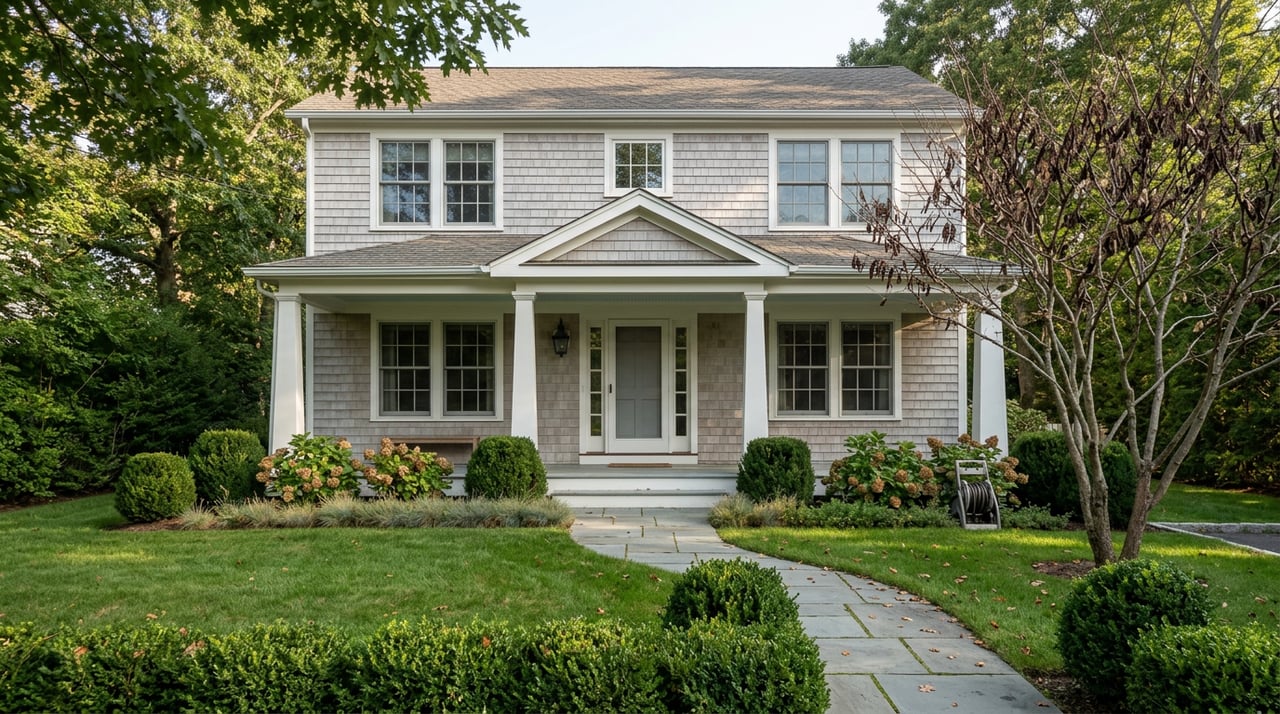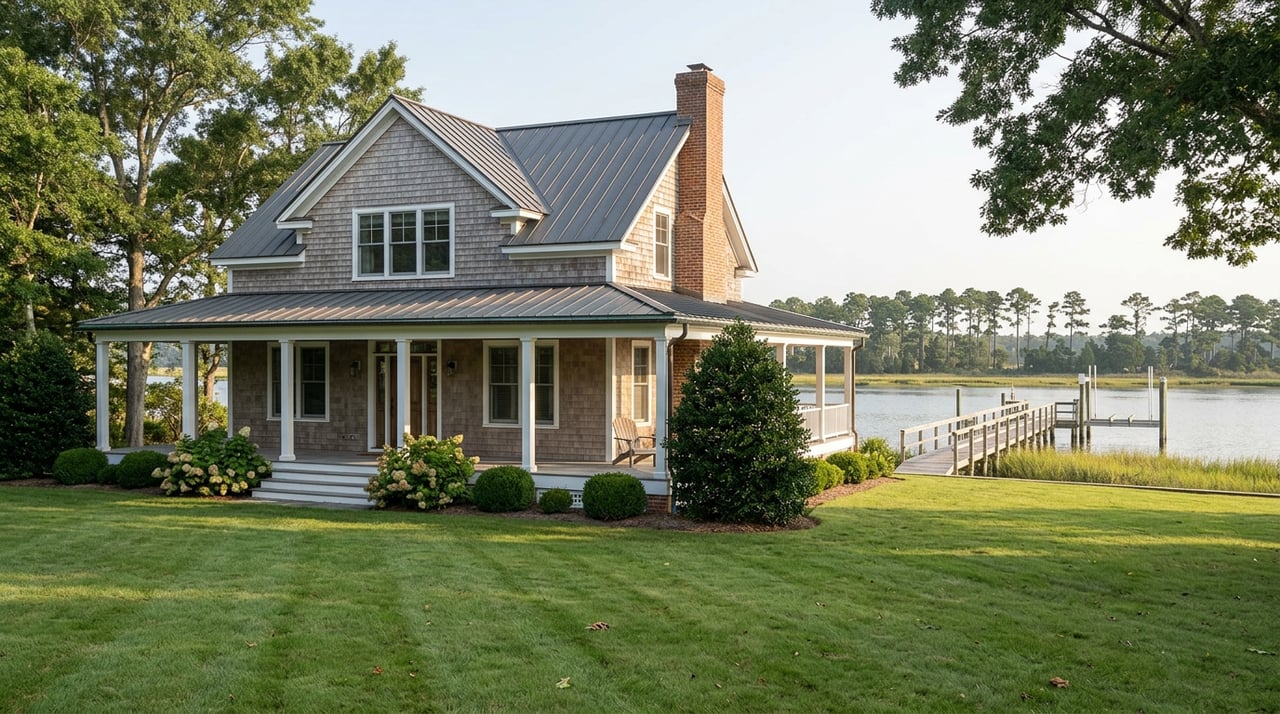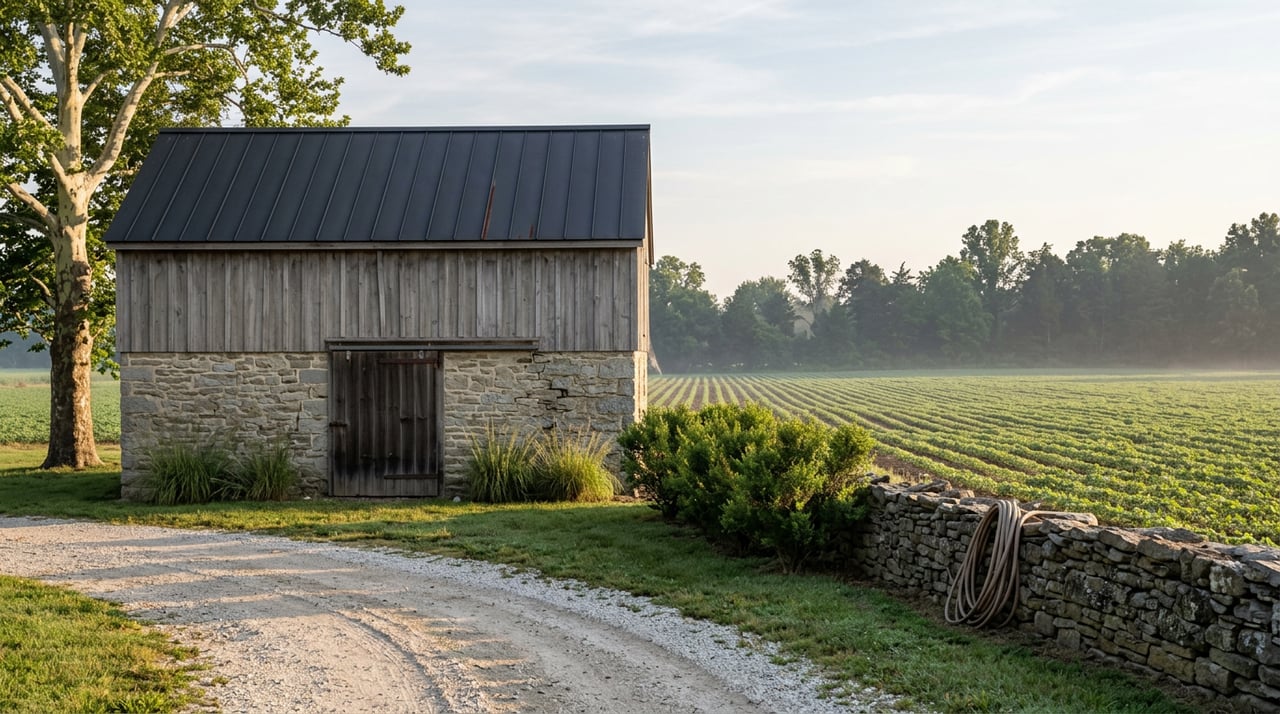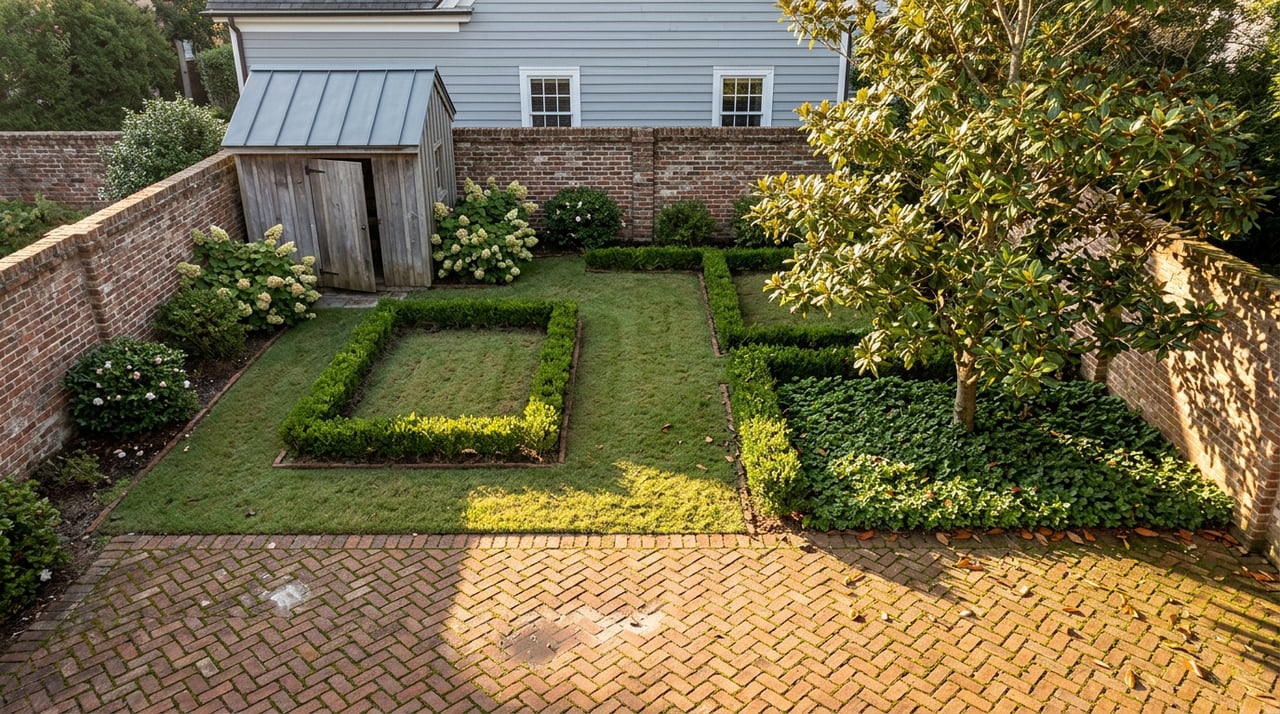
Thinking about a second home often starts with a simple question: do you want a place that feels like a true escape without feeling cut off from everyday convenience? If Easton is on your radar, you are not alone. This Eastern Shore town offers a mix of culture, charm, and access that can make second-home ownership feel both enjoyable and practical. Let’s take a closer look at whether Easton is the right fit for you.
Why Easton stands out
Easton offers something many second-home buyers want but do not always find in one place: a town that feels active year-round while still sitting close to water, open space, and weekend recreation. Easton is the county seat of Talbot County, covers more than 11 square miles, and has a population of more than 17,000 residents. It also has nearly two dozen public parks and open spaces.
That matters because a second home usually works best when it is more than just scenic. You want a place with daily conveniences, local services, and enough going on that your time there feels easy and rewarding in every season.
Talbot County also brings a strong shoreline lifestyle to the picture. The county notes that it has more than 600 miles of shoreline and sits in the heart of Maryland’s Eastern Shore. For many buyers, that creates an appealing balance between town living and coastal recreation.
Easton offers more than a getaway
Some second-home towns feel quiet in the off-season. Easton is different because it has a well-established arts, dining, and cultural identity that supports full-time life as well as weekend use.
The Easton Arts & Entertainment District spans more than 110 acres and includes the Historic District, East End, and nearby residential and commercial areas. Talbot County also highlights Easton as a cultural hub of the Eastern Shore, with destinations like the Academy Art Museum, the Avalon Theatre, and signature events such as Plein Air Easton and the Waterfowl Festival.
For you as a buyer, that can translate into more options for how you use the home. You may want quiet weekends, dinner out, gallery visits, seasonal events, or simply a place where guests have plenty to enjoy without a long drive.
Easton is accessible from major metros
A second home only works if getting there feels realistic. One of Easton’s biggest advantages is that Talbot County places it about 90 minutes from both Baltimore and Washington, D.C.
That puts Easton within practical reach for many buyers looking for a weekend base. You can leave after work, spend meaningful time at the property, and return without turning every trip into a major travel event.
For buyers coming from farther north, a Maryland planning document places Philadelphia about 114 miles from Easton. That is a longer drive, but still keeps Easton in the broader Mid-Atlantic second-home conversation.
There is also an added layer of convenience for some owners. Easton Airport is a county-owned public-use airport and one of the busiest general aviation facilities in Maryland, which may appeal to buyers who use private or charter aviation.
In-town Easton vs. out-of-town living
One of the biggest choices you will face is whether you want to be in town or outside of town. Both options can work well, but they support different lifestyles.
In-town Easton benefits
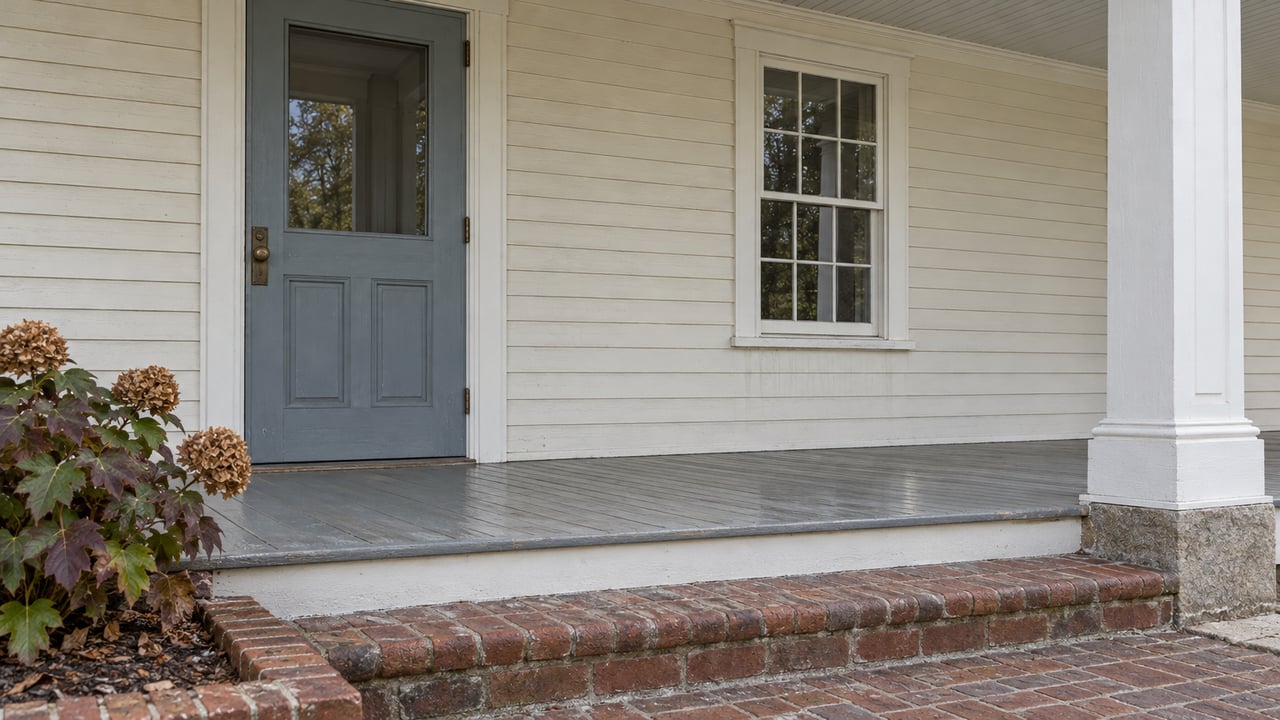
In-town Easton tends to suit buyers who want historic character, easier access to restaurants and arts venues, and a more traditional town-center feel. If you picture weekends where you can step out for coffee, browse shops, or enjoy local events nearby, this setting may be the stronger match.
There is also a practical convenience factor. The arts district, cultural venues, and dining areas are concentrated around the historic core and nearby neighborhoods, which can make in-town ownership especially appealing for shorter stays.
For some buyers, that means less planning and more spontaneity. You arrive, settle in, and enjoy the town without needing to drive much once you are there.
In-town Easton considerations
Historic charm often comes with extra rules, and Easton is no exception. The town’s historic-district ordinance is designed to preserve historical and cultural heritage, strengthen the local economy, and stabilize property values.
If you are considering a property in the historic core, it is important to know that certain exterior work may require a Certificate of Appropriateness. That can apply to construction, alteration, reconstruction, moving, or demolition affecting designated sites, structures, or districts.
That does not make in-town ownership less attractive. It simply means you should go in with clear expectations if you plan to make visible exterior changes.
Out-of-town Easton benefits
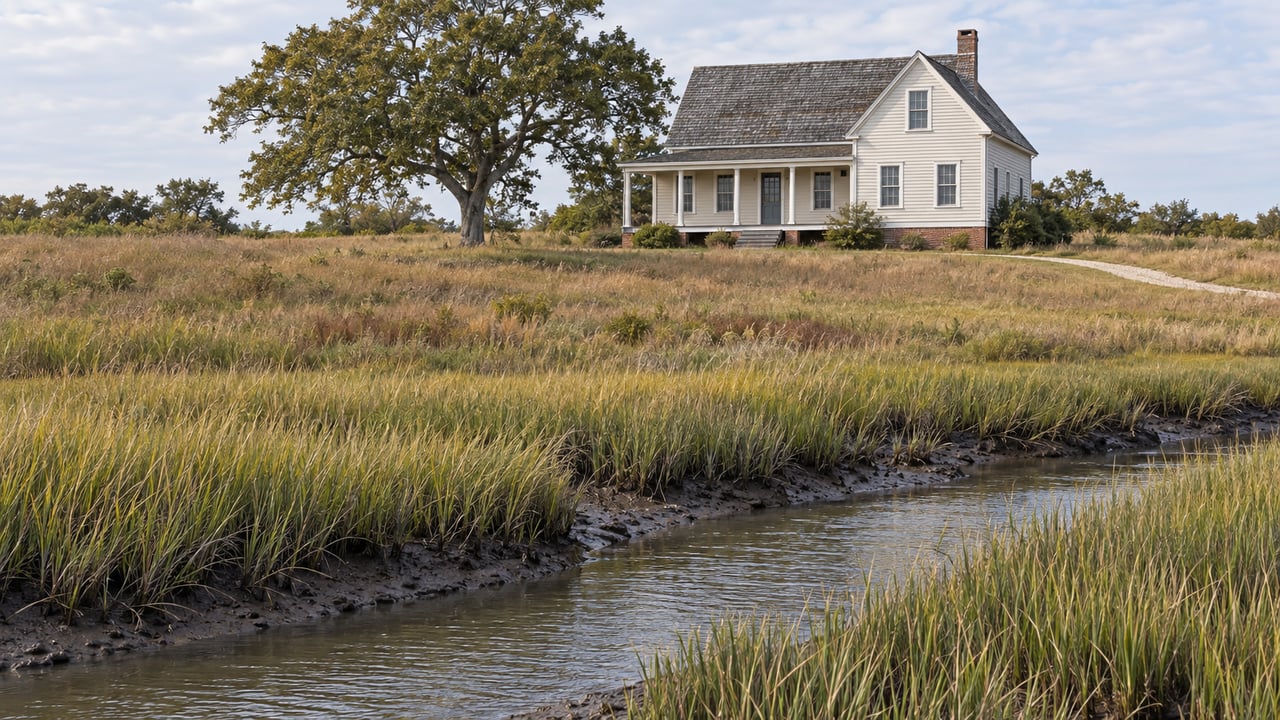
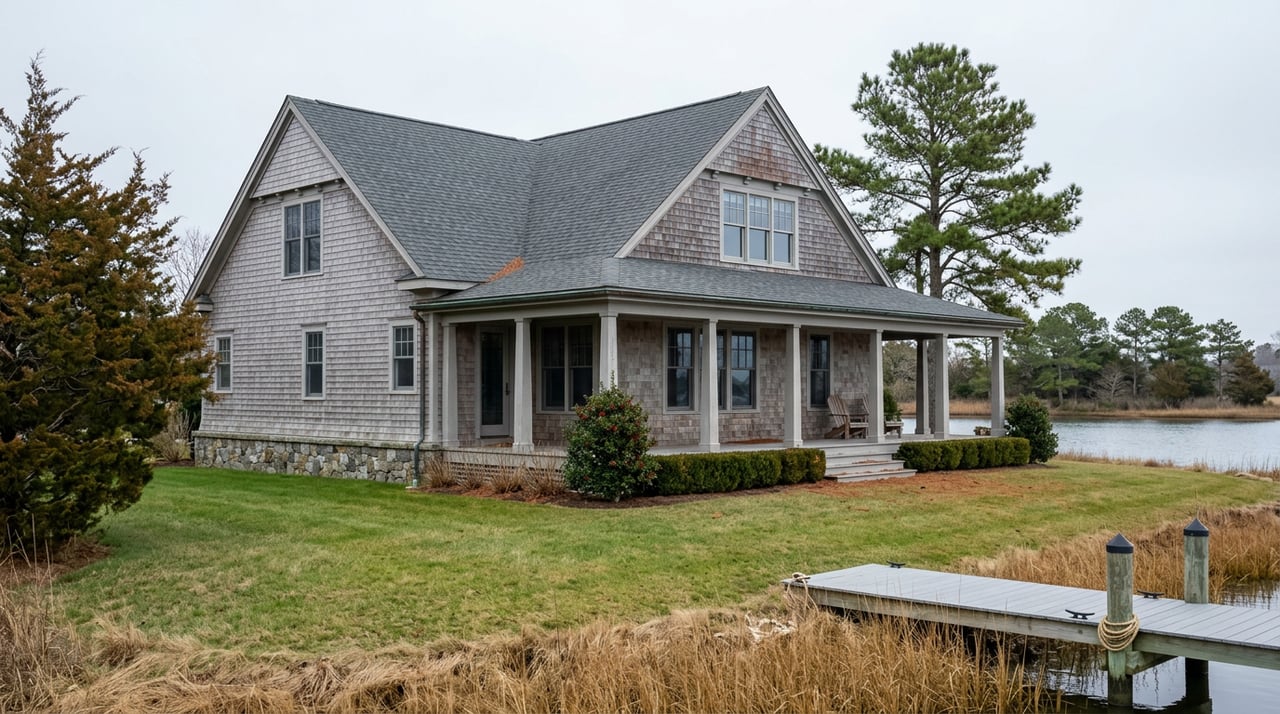
If your ideal second home includes more privacy, more land, or a stronger connection to waterfront or rural surroundings, out-of-town properties may be a better fit. This is often where buyers find a wider range of settings and features that support a true retreat experience.
Easton’s broader market includes single-family homes, townhomes, multi-family homes, mobile homes, farms, and land. Search categories and features in the current market also point to options such as condos, new construction, boat docks, large lots, no HOA properties, horse stables, pools, RV or boat parking, and fruit trees.
That variety is one reason Easton appeals to second-home buyers with different goals. You may be looking for something low maintenance, or you may want a property with room to spread out and enjoy the Eastern Shore lifestyle in a more private setting.
Out-of-town Easton considerations
Out-of-town ownership often requires more early due diligence. Talbot County Public Works says sewer service is available only in specific sanitary districts, and buyers should verify whether a property is in the service area.
If a property is not sewered, septic-related questions become important. The county notes that percolation testing applies to septic-managed properties rather than sewered properties.
Utility access also deserves a close look. Easton Utilities provides electric, water, wastewater, natural gas, cable television, and internet service for the Town of Easton and portions of the surrounding area, but coverage is not universal. Before you assume remote ownership will be simple, confirm how a specific property is served.
Flood exposure is another issue to check early, especially for waterfront or low-lying properties. Talbot County points buyers to the county floodplain ordinance, FEMA flood maps, and elevation certificates for homes in designated flood zones.
What the Easton market looks like
Easton’s second-home appeal is strengthened by the fact that the housing stock is not one-size-fits-all. The market supports buyers at different price points and with different property preferences.
As of March 2026, Realtor.com shows about 205 homes for sale in Easton, with a median listing price of $475,000, a median price per square foot of $245, median days on market of 46, and a 98% sale-to-list price ratio. In that snapshot, Easton is labeled a buyer’s market.
For ZIP code 21601, the median listing price is $477,000. Across the broader Easton ZIP-level data, pricing ranges from about $365,000 in 21655 to $2.795 million in 21662, with 21663 at $799,000 and 21654 at $1.85 million.
That spread is important because it shows Easton is not just one kind of second-home market. You can find more attainable options, mid-market homes, and a meaningful luxury segment, especially if you are exploring waterfront, land-rich, or highly distinctive properties.
Who Easton may suit best
Easton can be a strong fit if you want a second home that feels refined but not overly resort-driven. It tends to appeal to buyers who value a small-town base, cultural amenities, and easy access to the broader waterfront lifestyle of Talbot County.
You may find Easton especially appealing if you want:
- A weekend home within reach of Washington or Baltimore
- Historic character and established town amenities
- Access to arts, dining, and seasonal events
- Options ranging from low-maintenance homes to land or waterfront-oriented properties
- A setting that feels active year-round, not just during peak vacation months
It may be less ideal if you want a purely resort-style environment or if you prefer a market where utility, flood, and property-use questions are more uniform from home to home.
Smart questions to ask before you buy
Before you move forward on a second home in Easton, it helps to narrow your decision around a few practical points. A clear plan can save you time and help you focus on the right properties.
Ask yourself:
- Do you want walkable or near-walkable access to town amenities?
- Are you comfortable with historic-district review if you buy in the core?
- Do you want privacy, land, or water access outside town?
- Have you verified sewer, septic, and utility service for the specific property?
- Is the home in a designated flood zone, and have you reviewed any elevation information available?
- Does the property match how often you plan to use it and how much upkeep you want?
These are the details that often shape whether a second home feels easy to own from day one.
Why local guidance matters
Easton offers real variety, and that is part of its appeal. It also means the right purchase depends on more than price alone.
A buyer looking at a historic in-town property may need a very different strategy than someone comparing waterfront or rural properties outside town. Questions about location, utilities, flood considerations, and lifestyle fit all become more important when you are buying from afar or only using the home part-time.
That is where local knowledge can make the process smoother. When you understand not just the home, but how that home functions within Easton and Talbot County, you are in a better position to buy with confidence.
If you are weighing a second home in Easton, the right fit usually comes down to your lifestyle, your comfort with the practical details, and the kind of Shore experience you want to create. If you want a town with culture, convenience, and strong access to the wider Eastern Shore, Easton is well worth serious consideration.
If you would like help comparing in-town and out-of-town options, evaluating distinctive properties, or narrowing your search on Maryland’s Eastern Shore, connect with The Linthicum Group .
FAQs
Is Easton, Maryland a good place for a second home?
- Easton can be a strong second-home option if you want a small-town setting with year-round amenities, arts and dining, and access to Talbot County’s waterfront lifestyle.
How far is Easton from Washington, D.C. and Baltimore?
- Talbot County says Easton is about 90 minutes from both Washington, D.C. and Baltimore, making it realistic for many weekend buyers.
What should you check before buying outside town in Easton?
- You should confirm sewer or septic status, utility coverage, and any flood-zone considerations early in the process, especially for rural, waterfront, or low-lying properties.
What is different about buying in historic Easton?
- In Easton’s historic district, some exterior changes may require a Certificate of Appropriateness, so it is important to understand local review requirements before planning updates.
What types of second homes can you find in Easton?
- Easton’s market includes single-family homes, townhomes, farms, land, and properties with features such as large lots, pools, boat docks, and lower-maintenance options.